Who We Are
Awareness to Action, or A2A, is a program of Children’s Wisconsin. We are dedicated to helping organizations and communities protect children from sexual abuse by preventing abuse before it happens. A2A teaches adults to prevent abuse through:
- Awareness. Raise awareness of the prevalence of child sexual abuse.
- Education. Provide education and support to youth-serving organizations on best practice policies and procedures for prevention.
- Advocacy. Be active in public policy discussions about the prevention of child sexual abuse.
- Action. Help adults make decisions that will shift the conditions that allow child sexual abuse to happen.
All adults are responsible for ensuring kids grow up in spaces free from abuse. It is never a child’s responsibility to protect themselves.
The Issue
What Is Child Sexual Abuse?
Sexual abuse is when sexual contact or non-contact sexual activities happen between an adult and a person under age 18, an older youth and younger child, or a person who has more power over another person.
How Can Abuse Happen?
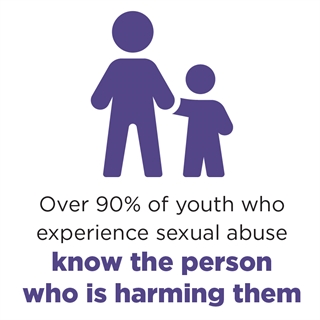
In nearly all cases of child sexual abuse, someone builds a relationship with a child, their family, or community before the abuse happens. They take advantage of this relationship to gain trust, promote secrecy, and avoid exposure. This manipulation can happen online, in our communities, and even our families.
How Can We Prevent Sexual Abuse?
To keep kids safe and thriving, several types of abuse prevention strategies are needed. These strategies fall into three categories – primary, secondary, and tertiary.
- Primary prevention takes place before violence and abuse occurs.
- Secondary prevention uses early detection to intervene and stop further harm.
- Tertiary prevention strategies give ongoing support to kids and families after abuse is discovered.
Each offers different and effective ways to address child sexual abuse. Primary prevention is uniquely valuable for getting to the root of the issue. These strategies are proactive, rather than reactive. The aim to stop abuse before it happens. This reduces the demand for secondary and tertiary services that take place after abuse happens.
For prevention efforts to be successful, individual, relationship, community, and societal risk factors must all be addressed. It is unlikely that awareness and education alone will prevent child sexual abuse if the child is in otherwise unsupportive environments.
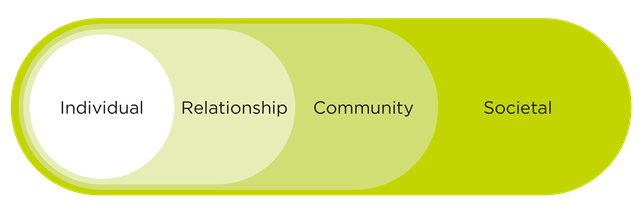
- Individual. These factors include biological or personal factors that make it more likely that a person experiences sexual abuse or causes harm to someone else. Prevention strategies focus on helping people learn new knowledge, skills, and behaviors.
- Relationship. Close relationships create safety or risk. Friends, family, partners, and others influence behavior and shape other’s lives. Relational prevention strategies support building protective and supportive relationships.
- Community. These are the factors present in social or community settings where relationships can take place, including where kids live, learn, play, and grow. Prevention strategies focus on putting safe processes, policies, and settings in place.
- Societal. These are the societal factors, such as social and cultural norms, which create a climate of either safety or harm. Prevention strategies at this level address norms that allow sexual abuse to continue or that normalize prevention and safety.
